
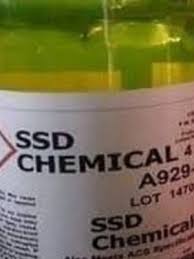
SSD Original Chemical Solution: Price, Quality, and Compliance
SSD original chemical solutions are widely used in laboratory research, industrial processes, and analytical applications. When purchasing these chemicals online, buyers must prioritize quality, regulatory compliance, and verified suppliers. Understanding price variations, documentation requirements, and proper handling ensures both legal compliance and operational safety.
Factors Affecting SSD Original Chemical Solution Price
The price of SSD original chemical solutions depends on several factors. First, the chemical grade plays a critical role; research-grade or industrial-grade solutions often cost more due to higher purity and stricter production standards. Second, supplier credibility influences pricing—verified suppliers with proper documentation and certifications may charge slightly higher but offer safer, more reliable products. Additionally, volume, shipping costs, and international import regulations can affect the final price. For a detailed explanation of chemical grades and specifications, refer to our internal guide on understanding chemical grades and standards.
Legal Compliance and Documentation
Purchasing SSD original chemicals requires adherence to national and international regulations. Reputable suppliers provide Safety Data Sheets (SDS/MSDS), certificates of analysis, and clear documentation of approved uses. Before completing a purchase, buyers should ensure that their local laws permit importation and use. Our internal article on chemical procurement compliance offers step-by-step guidance to help organizations remain compliant.
Proper documentation also reduces delays at customs and minimizes the risk of fines or shipment confiscation. Consequently, transparency and verified paperwork are essential for legal and safe procurement.
Safe Handling, Storage, and Transportation
SSD original chemical solutions require careful handling to protect users and the environment. Suppliers must package chemicals according to international safety regulations and clearly mark hazards, storage instructions, and emergency procedures. Buyers should follow secure storage practices, limit access to trained personnel, and provide staff training on chemical handling. For practical advice, see our internal guide on chemical storage and safety practices.
Additionally, organizations should perform regular safety audits and review emergency protocols to maintain compliance and reduce operational risk.
Evaluating Suppliers and Pricing
Transparency is a strong indicator of supplier reliability. Trustworthy suppliers provide detailed documentation, physical business information, and responsive support. Avoid vendors that make vague claims or withhold safety data. Comparing multiple suppliers and reviewing independent feedback helps buyers make informed decisions. Learn more from our internal guide on choosing verified chemical suppliers.
Authoritative Guidance
Global organizations provide frameworks for chemical safety and compliance. For instance, the World Health Organization offers chemical safety guidance, while the U.S. Environmental Protection Agency publishes standards for chemical regulation and environmental protection. Additionally, international transport authorities like IATA set rules for safe chemical shipment.
Conclusion
SSD original chemical solutions should only be used for approved, lawful applications. By prioritizing verified suppliers, understanding pricing factors, and adhering to safety protocols and regulations, organizations can procure chemicals responsibly, protect personnel, and maintain regulatory compliance.



Reviews
There are no reviews yet.