

Defaced Currency Cleaning Chemicals – Educational Overview
Understanding Defaced Currency
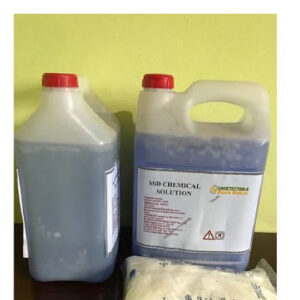
Defaced currency refers to banknotes that have been damaged, marked, or altered in a way that affects their appearance or usability. People sometimes discuss “defaced currency cleaning chemicals” online. However, financial authorities do not approve any chemical for cleaning or restoring currency, and using such substances can be illegal. Attempting to clean notes with chemicals risks destroying security features and voiding the note.
Banknotes are manufactured with specialized fibers, inks, and security elements, including watermarks, security threads, and holograms. These features make banknotes resilient in circulation but sensitive to chemical exposure. Understanding this helps individuals handle currency safely and lawfully.
For further information on proper currency care, visit our internal resource Currency Preservation Overview.
Risks of Using Chemicals
Using chemicals on defaced currency can weaken paper fibers, blur inks, and compromise security features. Even minor exposure may cause the note to fail authentication checks in banks, ATMs, or other financial systems. Therefore, authorities strongly discourage any form of chemical treatment.
Most damage to currency occurs naturally from circulation, environmental exposure, or handling. Financial institutions encourage individuals to exchange defaced or heavily damaged notes through official channels rather than attempt chemical cleaning.
For safe handling tips, see our internal guide Banknote Handling Best Practices.
Official Guidance from Authorities
Central banks and monetary authorities emphasize prevention over restoration. The U.S. Bureau of Engraving and Printing (https://www.bep.gov) explains how banknotes are designed to last in circulation and why chemical alteration is prohibited. Likewise, the Bank of England (https://www.bankofengland.co.uk) provides public guidance on note durability, security, and lawful handling practices.
Museums and archives, such as the Smithsonian National Museum of American History (https://americanhistory.si.edu), preserve historical banknotes using controlled environments and conservation science. They avoid chemical cleaning entirely. These examples highlight why institutions focus on prevention rather than restoration.
Educational Value and Responsible Awareness
Discussion of defaced currency cleaning chemicals should focus on awareness, legality, and prevention, not practical application. Understanding why notes become defaced and why chemical cleaning is prohibited helps people respect currency design, security features, and official replacement systems.
Individuals should practice proper storage, minimize handling, and replace defaced or damaged notes through official channels. This approach protects both people and the financial system. For additional learning, explore our Currency Care Education Hub and resources from central banks.

Reviews
There are no reviews yet.