

SSD Industrial Chemical: Safety, Compliance, and Responsible Use
SSD industrial chemicals play a vital role in laboratory research, industrial processes, and analytical applications. When sourcing these chemicals online, buyers must prioritize legal compliance, verified suppliers, and safe handling practices. By following regulations and choosing responsible vendors, organizations can minimize risk and ensure smooth procurement.
Understanding SSD Industrial Chemicals
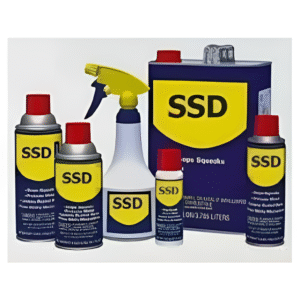
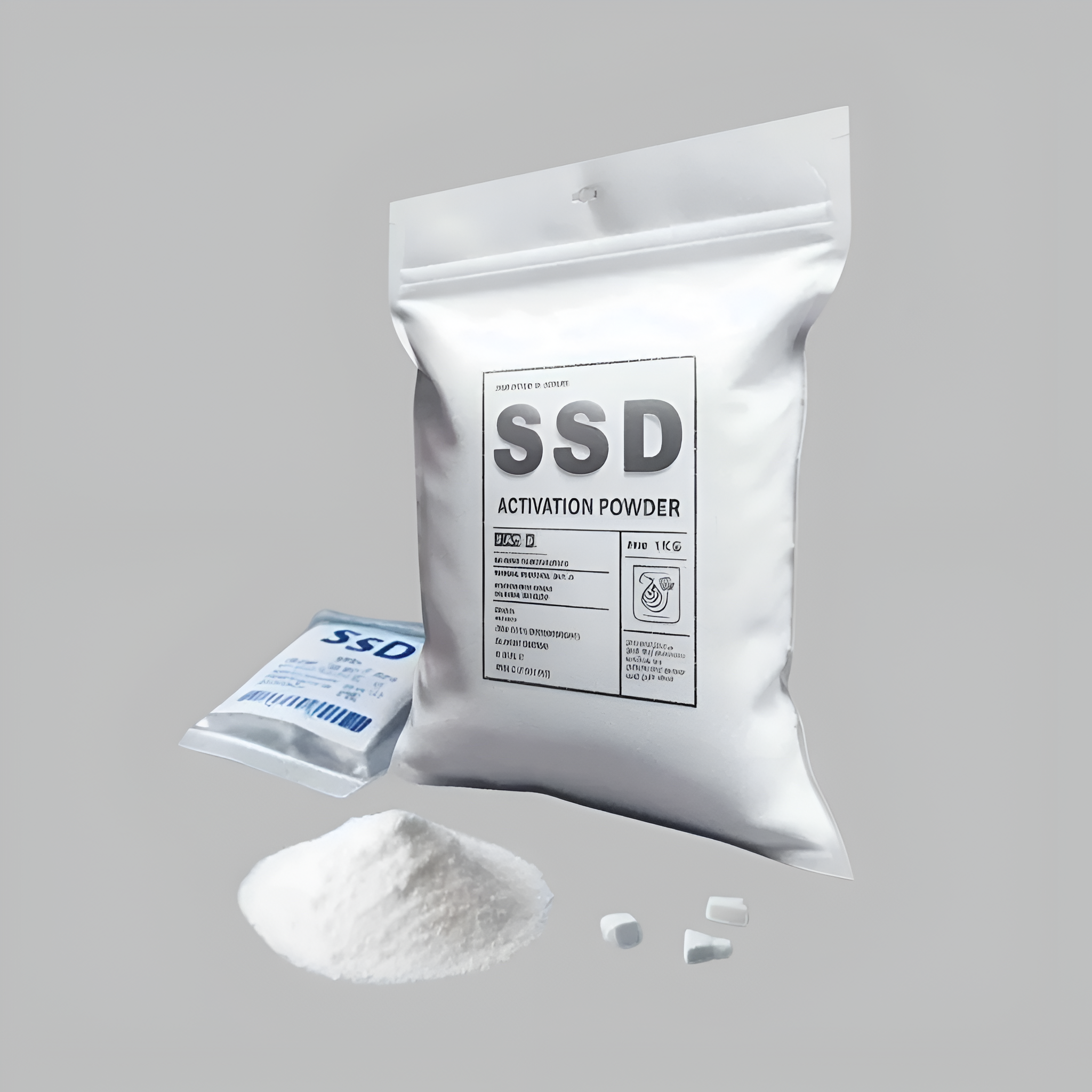
In industrial contexts, SSD chemicals refer to standardized chemical solutions designed for professional applications. These chemicals often require precise concentrations and consistent quality to achieve reliable results in laboratory or manufacturing settings. Before purchasing, buyers should always review technical data sheets, concentration details, and approved applications. For more guidance on reading specifications, see our internal article on understanding chemical grades and specifications.
Legal and Regulatory Compliance
Chemical procurement must follow national and international laws to protect people, property, and the environment. Reputable suppliers provide Safety Data Sheets (SDS/MSDS), certificates of analysis, and end-use documentation. Additionally, buyers should verify whether local regulations permit the import or use of the chemical. To simplify compliance, consult our internal guide on chemical procurement compliance.
Following proper documentation procedures not only ensures legal compliance but also helps customs authorities process shipments efficiently, reducing potential delays and penalties.
Safe Handling, Storage, and Transportation
Suppliers must package SSD industrial chemicals according to international transport rules and clearly communicate hazards, storage instructions, and emergency procedures. Similarly, buyers should implement secure storage, restrict unauthorized access, and train staff on handling procedures. Our internal resource on chemical storage and safety practices outlines actionable steps for workplace safety.
Furthermore, organizations should regularly review safety protocols, conduct audits, and update training programs. Doing so reduces operational risk and demonstrates compliance with regulatory standards.
Evaluating Online Suppliers
Transparency indicates credibility. Reliable suppliers disclose full documentation, physical business information, and responsive support. Conversely, vendors who make vague claims or withhold safety information may pose risks. Comparing multiple suppliers and reviewing third-party feedback helps buyers make informed decisions. You can also check our internal guide on how to choose verified chemical suppliers for step-by-step evaluation tips.
Authoritative Guidance
Several global organizations provide frameworks for chemical safety. For example, the World Health Organization offers guidance on chemical safety from a public health perspective, while the U.S. Environmental Protection Agency publishes regulatory and environmental protection standards. Additionally, international organizations such as IATA provide rules for safe transport of hazardous chemicals.
Conclusion
SSD industrial chemicals should only be purchased, handled, and applied for approved, lawful purposes. By prioritizing verified suppliers, following safety protocols, and adhering to regulations, organizations can operate responsibly, reduce risks, and ensure efficient chemical management.


Reviews
There are no reviews yet.